My Research

Scroll Down

I.

Plastic pollution

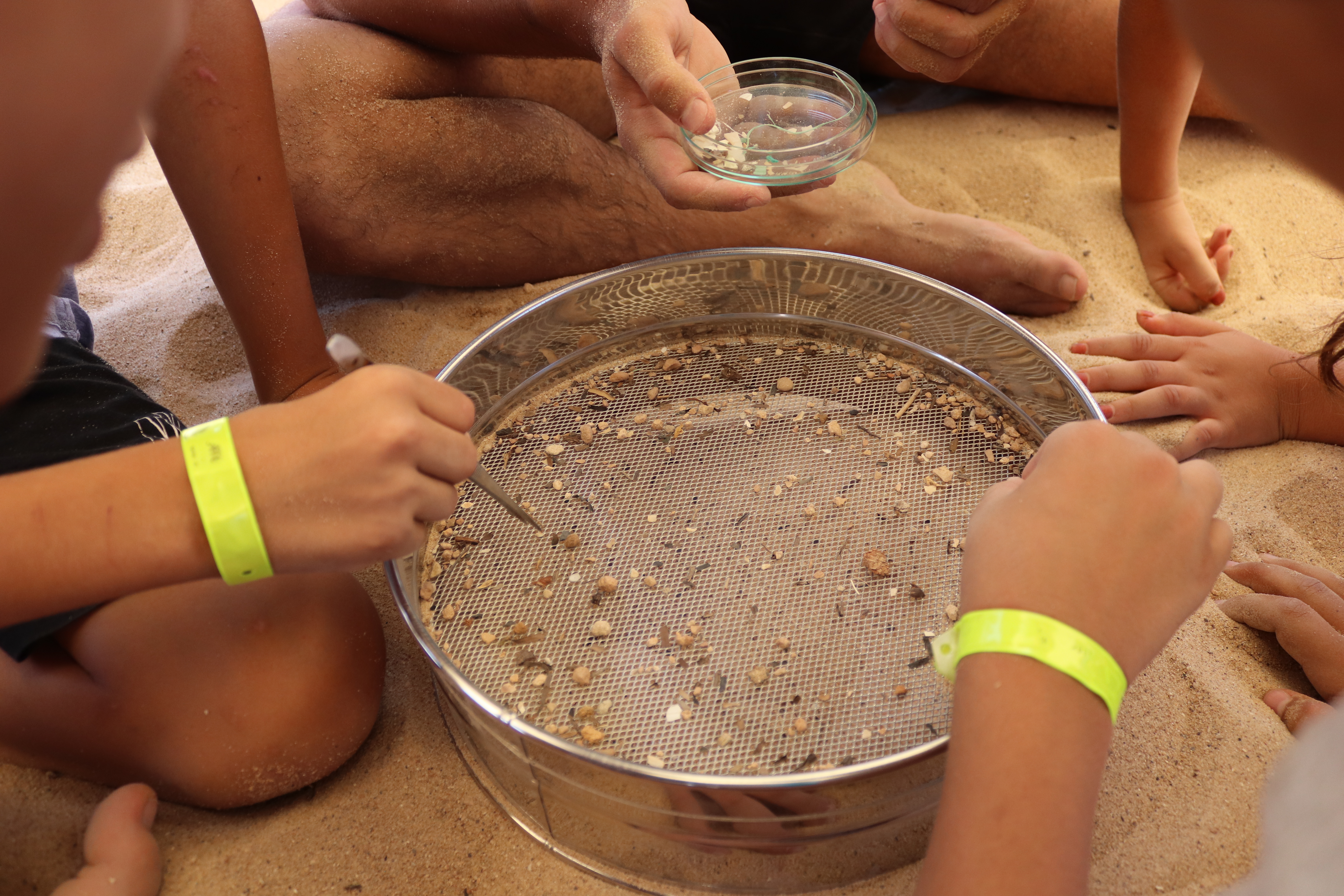
My first research project was focused on understanding and addressing the pressing issue of plastic pollution in Tunisian beaches, which are vital social-ecological systems offering various services that enhance human well-being. Despite their importance, beaches, as primary coastal connections, are increasingly affected by plastic pollution, posing a significant threat to marine biodiversity and ecosystem health in the Mediterranean Sea.

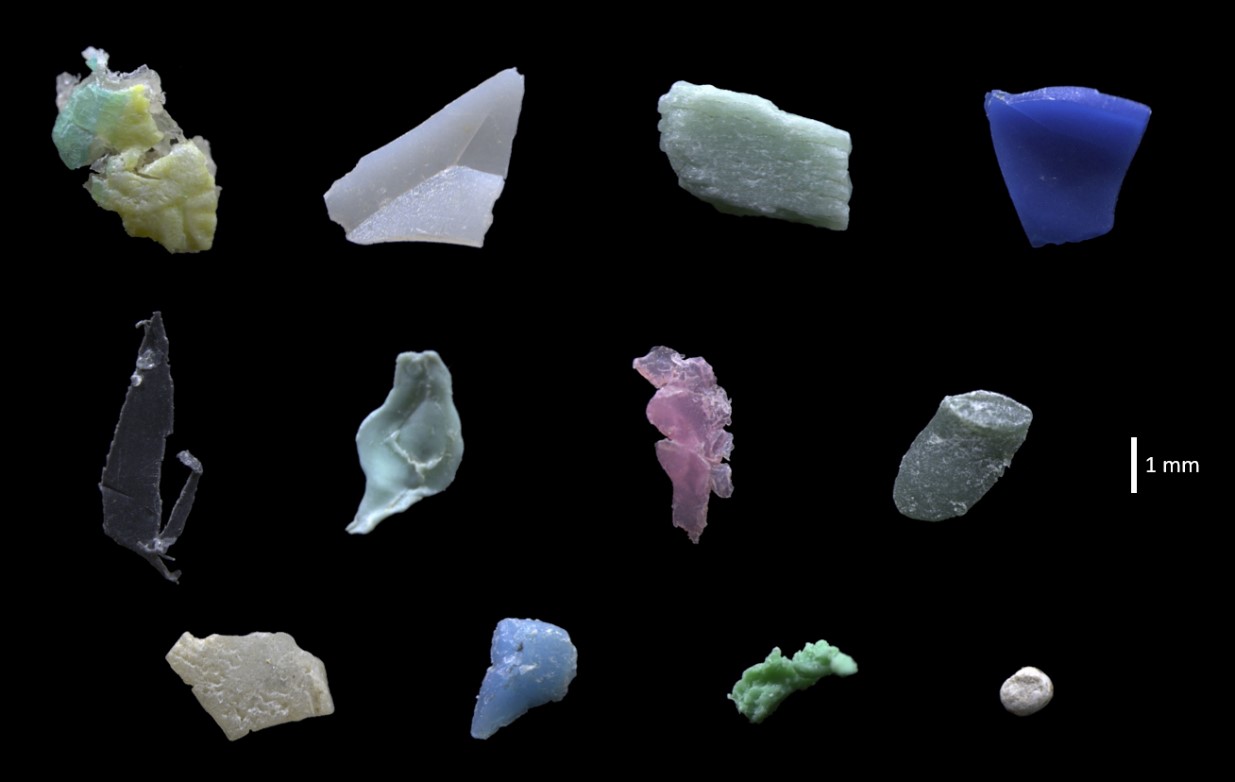
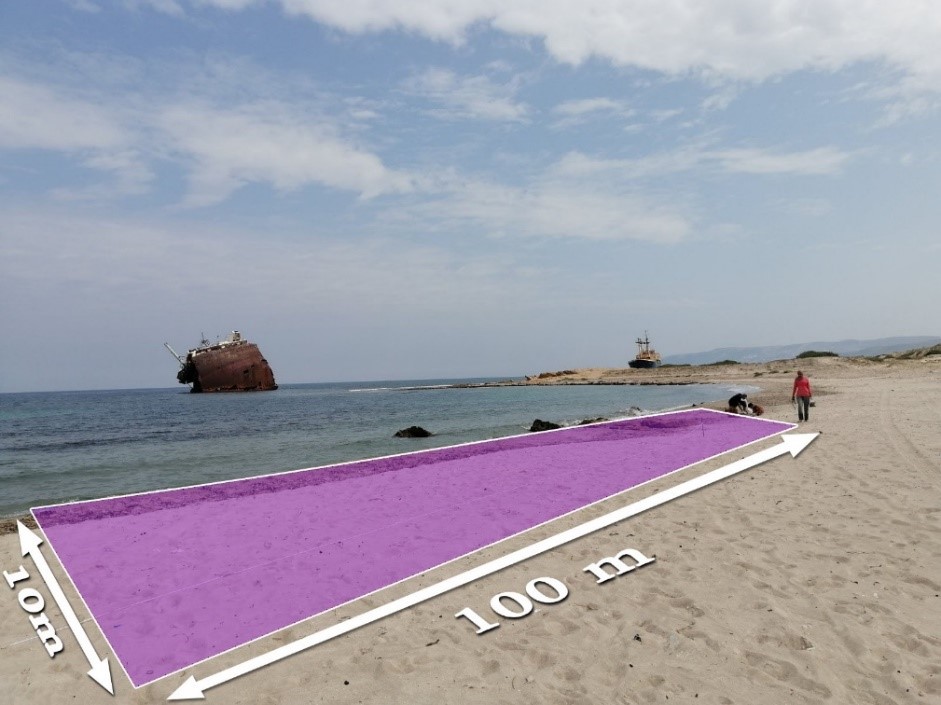
To address this critical environmental concern, my research aims to provide a comprehensive assessment of plastic pollution at three Tunisian beaches, categorizing debris into macroplastics (size≥2.5cm), mesoplastics (5mm-2.5cm), and microplastics (≤5mm) based on the OSPAR method.


Utilizing morphological characterization techniques, including shape and color analysis, we seek to establish a detailed inventory of meso and microplastics present in these coastal environments. Additionally, chemical characterization using Fourier-transform infrared spectroscopy FTIR enables the identification of polymer types, contributing to a deeper understanding of the sources and composition of marine debris.


Our findings underscore the importance of adopting a standardized international protocol, such as the OSPAR Protocol, for beach cleaning operations to facilitate comparability and consistency of results across different coastal areas. By adhering to this protocol, our study not only provides insights into the current state of plastic pollution but also lays the groundwork for future research endeavors and the development of effective management strategies in Tunisia.
II.

Posidonia oceanica restoration

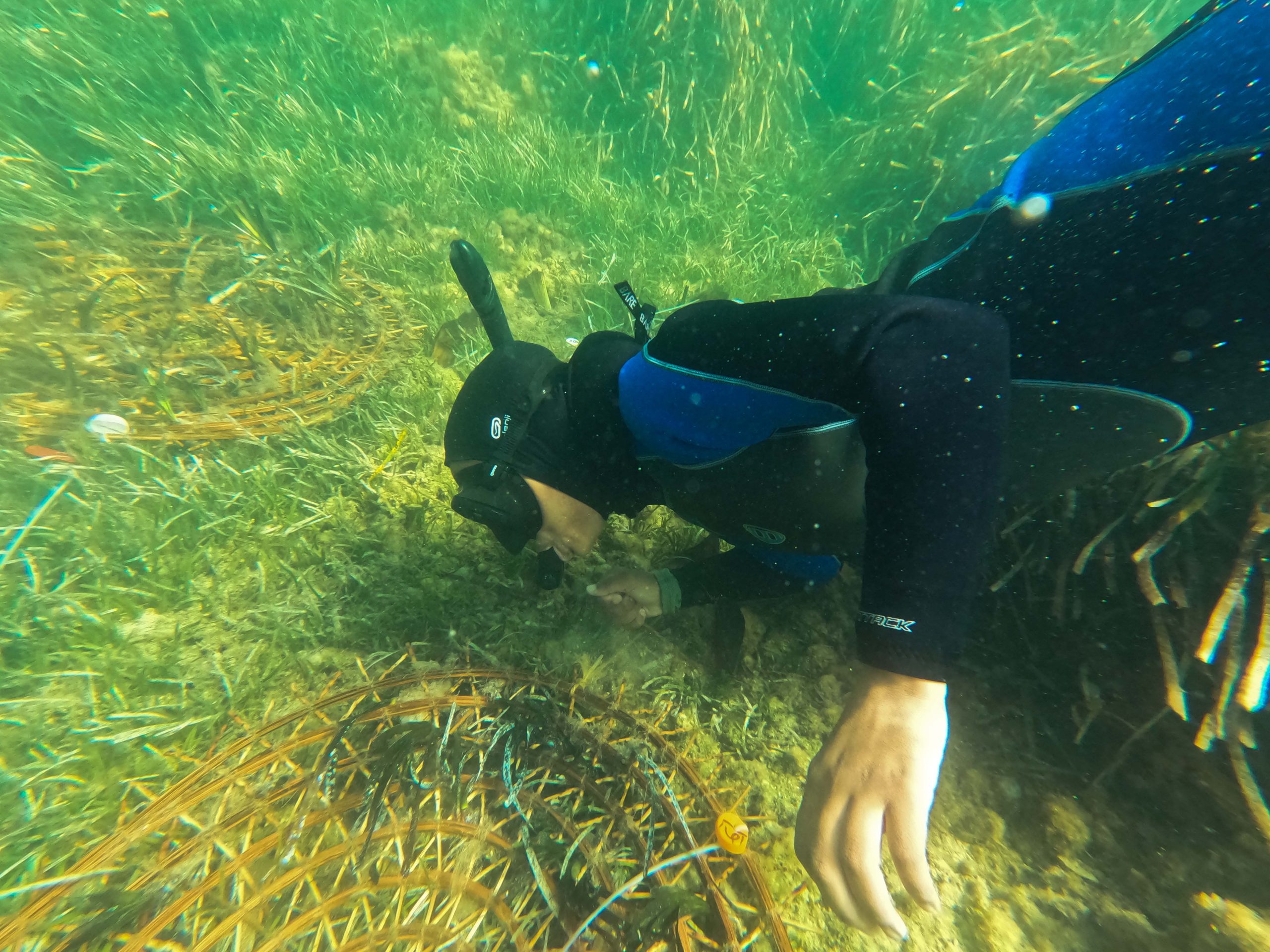
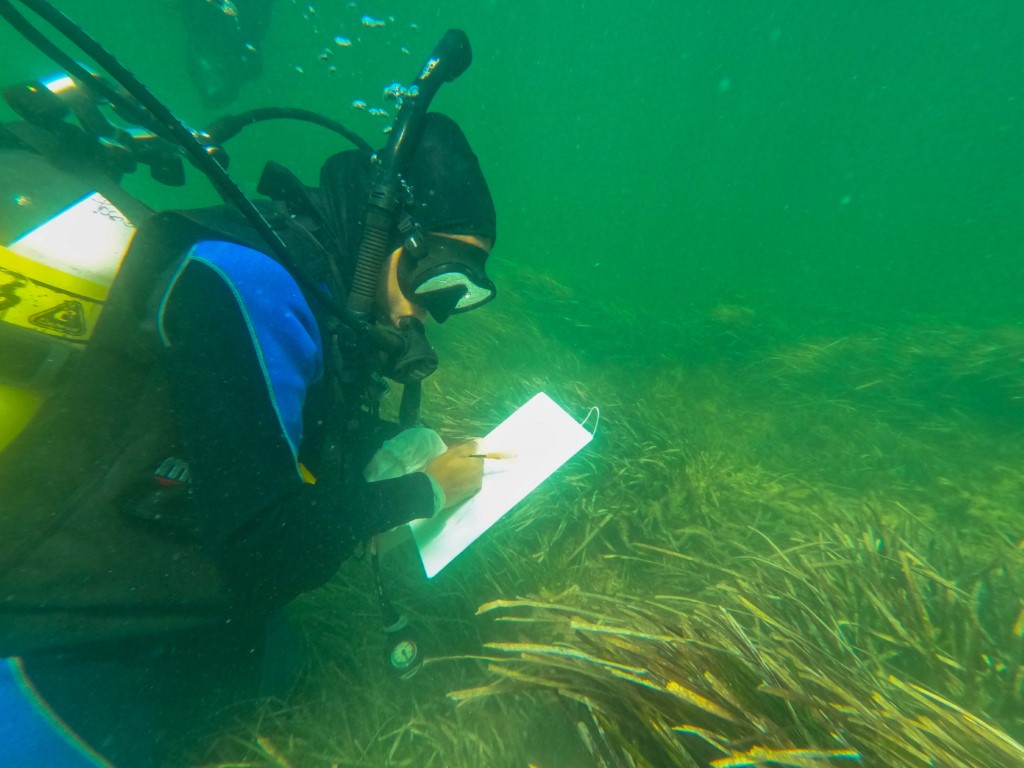
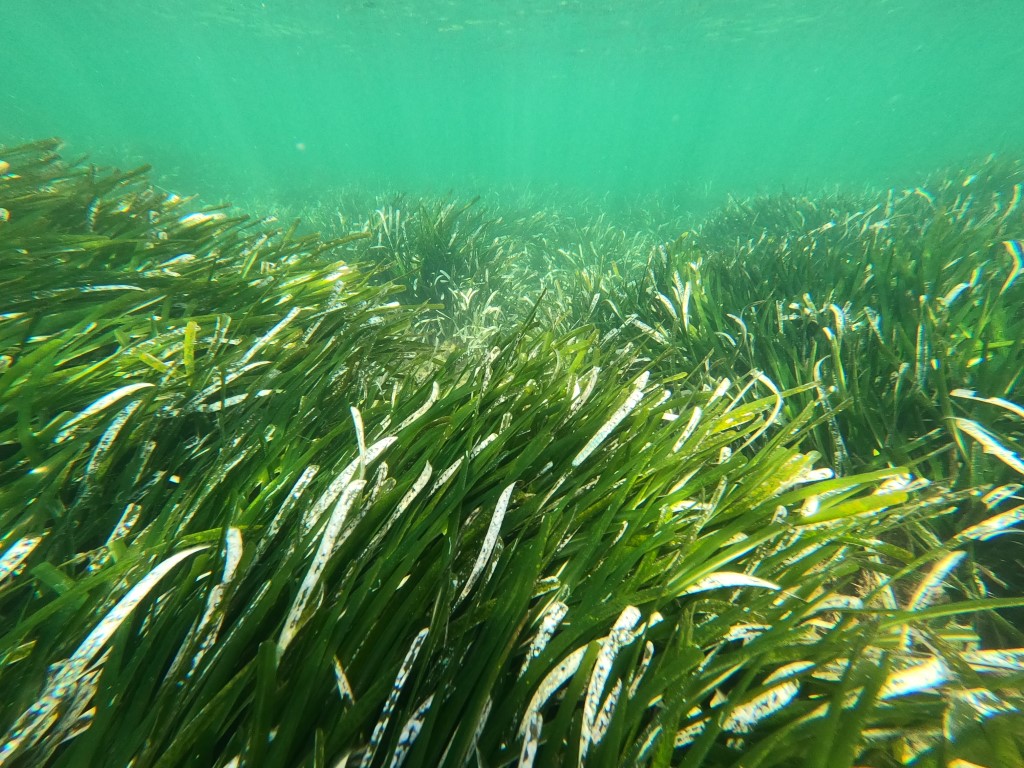
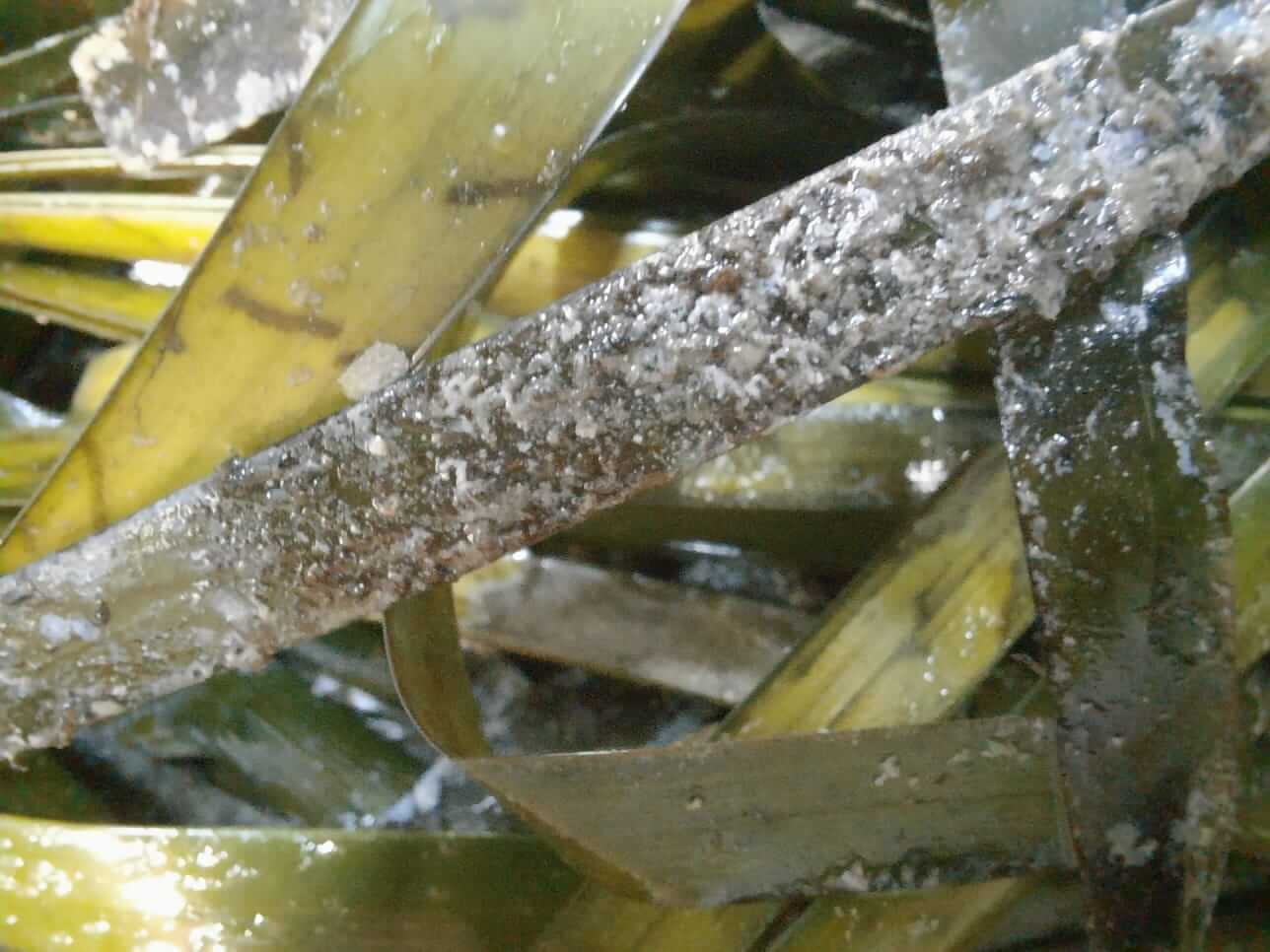
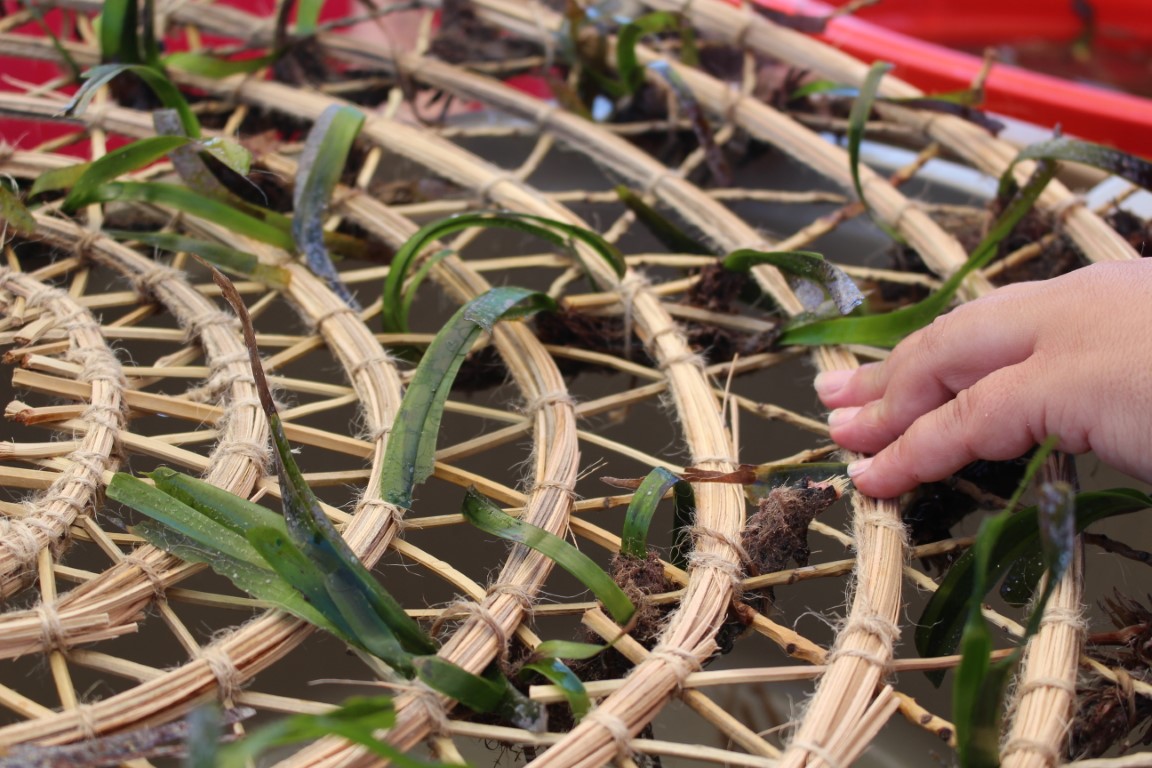
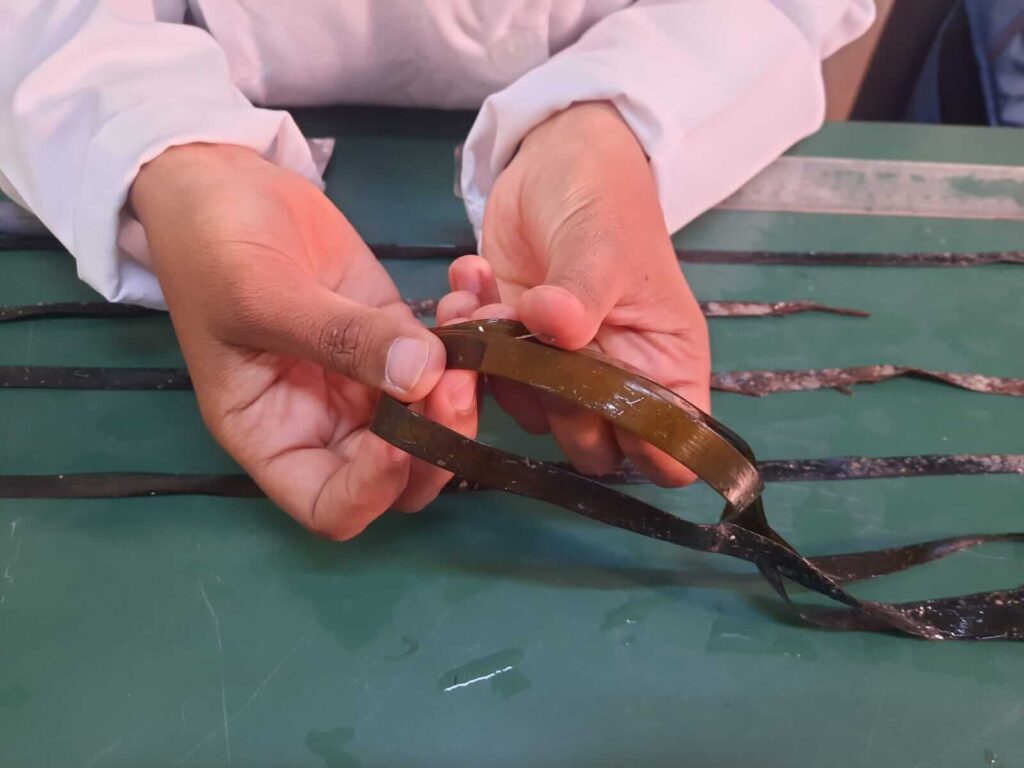
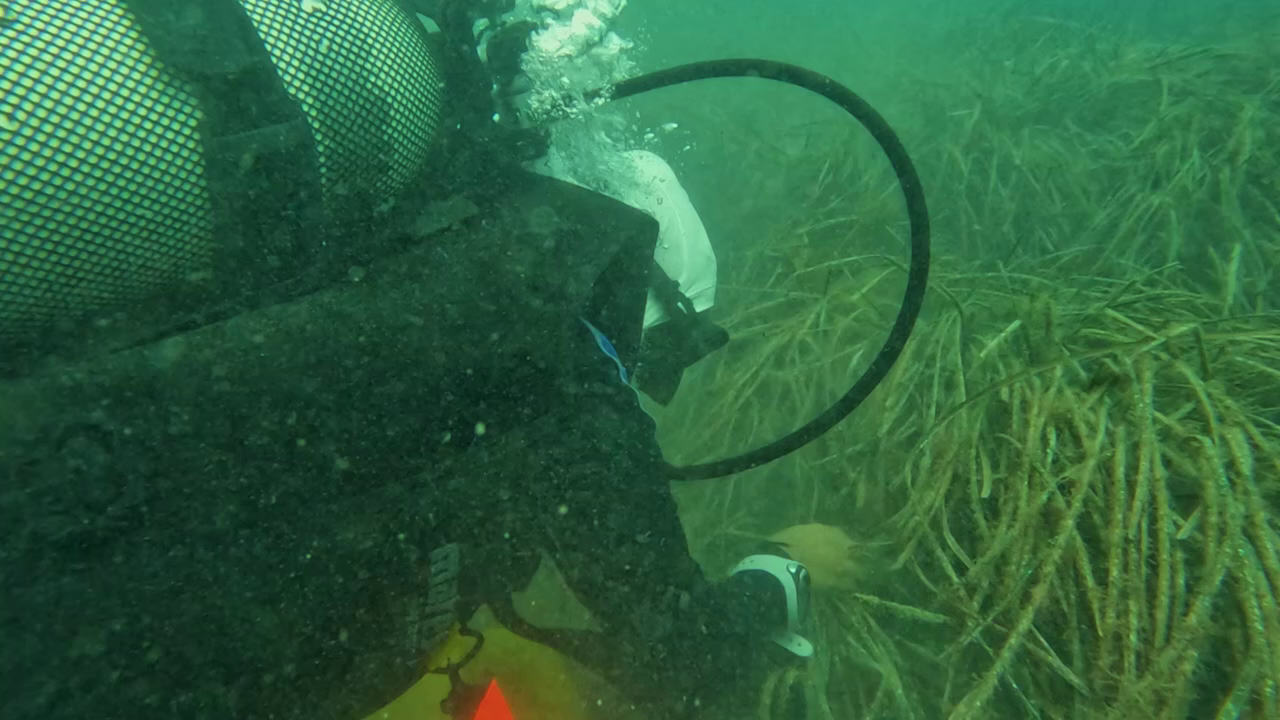
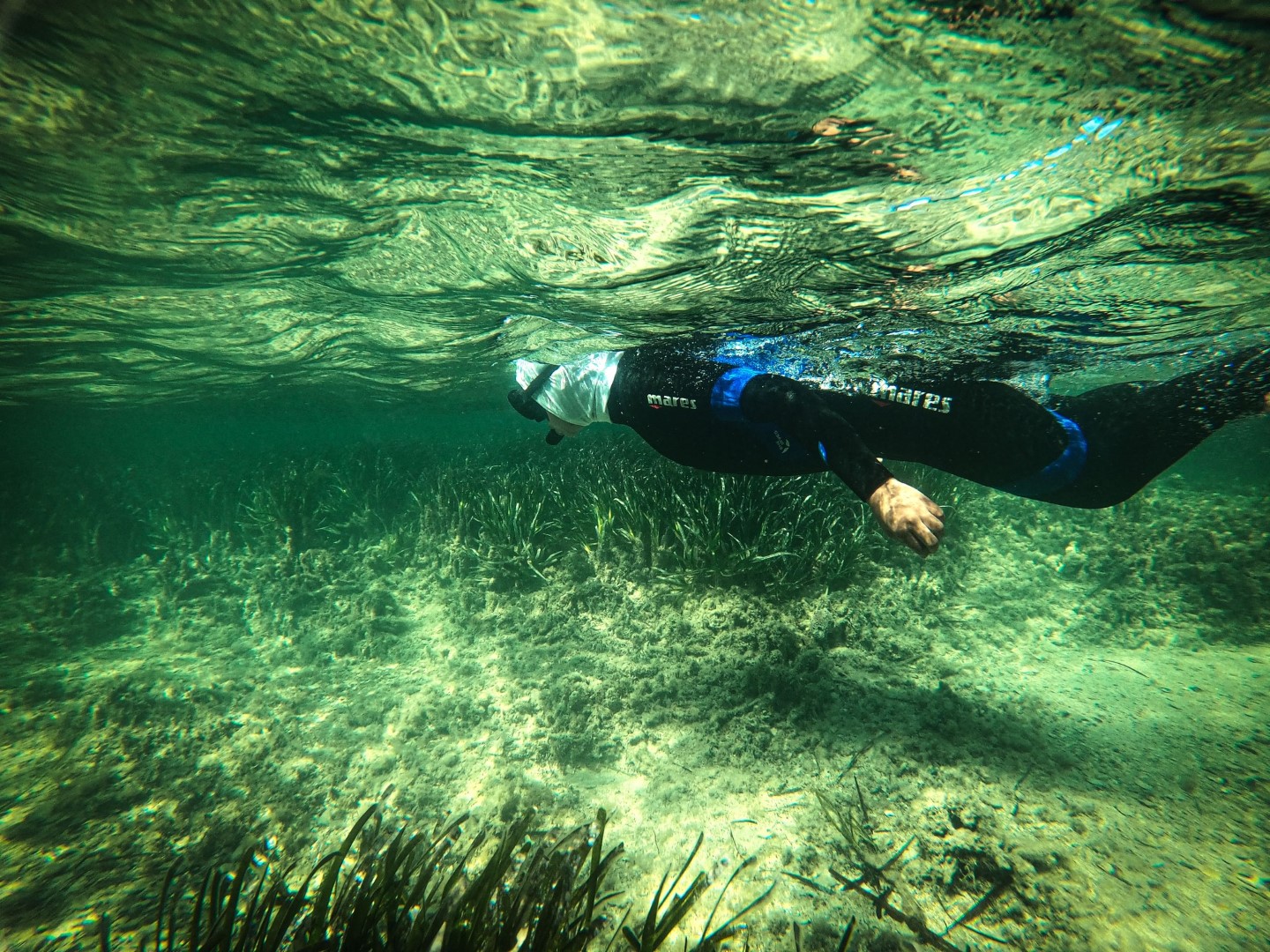
My PhD research focuses on testing different techniques for the restoration of Posidonia oceanica meadows in Tunisia, marking the first initiative of its kind in the country. Posidonia oceanica, an endemic species of the Mediterranean Sea protected by the Barcelona and Bern Conventions, plays a pivotal role in marine ecosystems. This species provides invaluable ecosystem services globally and regionally, including carbon sequestration, water quality enhancement, erosion prevention along coastal areas, and serving as crucial breeding grounds and habitats for diverse marine species, thereby supporting important commercial fisheries.

Despite Tunisia boasting one of the largest Posidonia oceanica meadows in the Mediterranean, these vital ecosystems face a significant decline due to various factors, including pollution, climate change, and the detrimental impact of illegal fishing techniques, particularly in southern Tunisia.
 
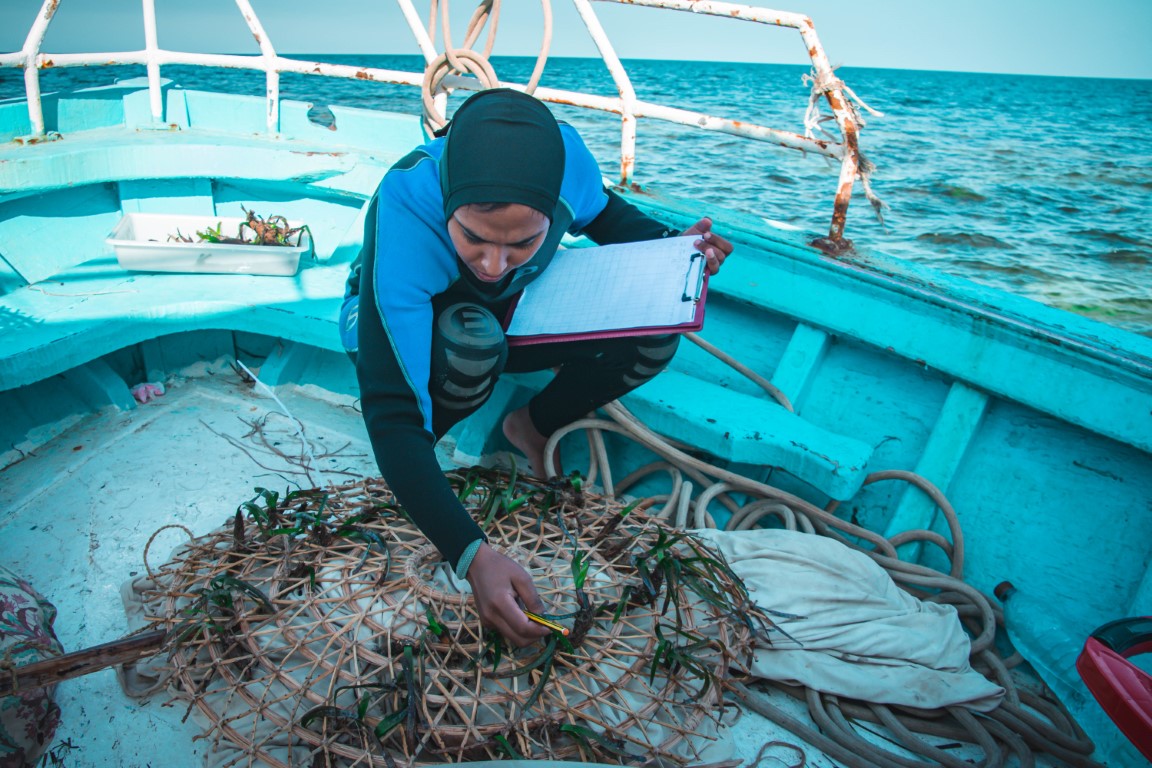
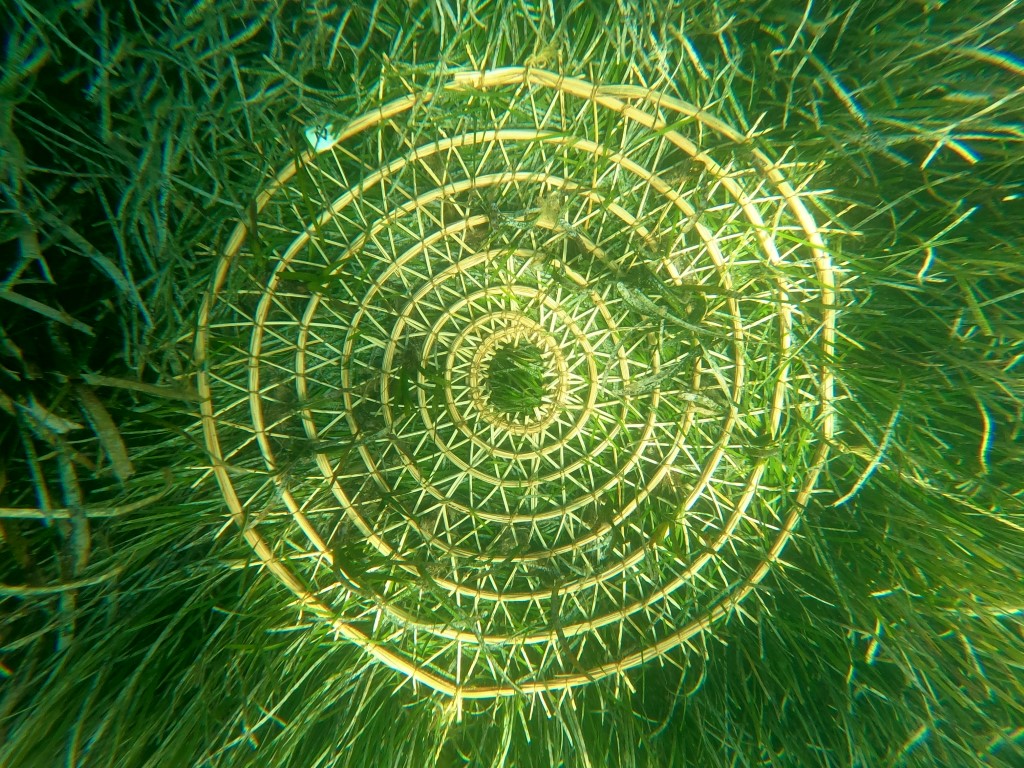
To address this critical issue, my PhD research aims to conserve and restore Posidonia oceanica meadows in two key areas of Tunisia. One approach involves employing a classic restoration technique as outlined in the MIAREM Project, while the other utilizes an ecological approach as a Natural-based solution as seen in the PPKER project (details provided in the subsequent section). By comparing and evaluating the effectiveness of these restoration techniques, we seek to develop evidence-based strategies for the preservation and rehabilitation of Posidonia oceanica meadows in Tunisia.

Through comprehensive field studies, data analysis, and collaboration with local communities and stakeholders, our research endeavors to contribute to the conservation and sustainable management of marine ecosystems in Tunisia. By implementing scientifically sound restoration practices, we aim to mitigate the adverse impacts of human activities on Posidonia oceanica meadows, safeguarding biodiversity, supporting fisheries, and enhancing the resilience of coastal communities against environmental challenges.

In summary, my PhD research represents a pioneering effort in Tunisia to address the pressing need for Posidonia oceanica conservation and restoration, leveraging innovative approaches to protect these invaluable marine habitats for current and future generations.

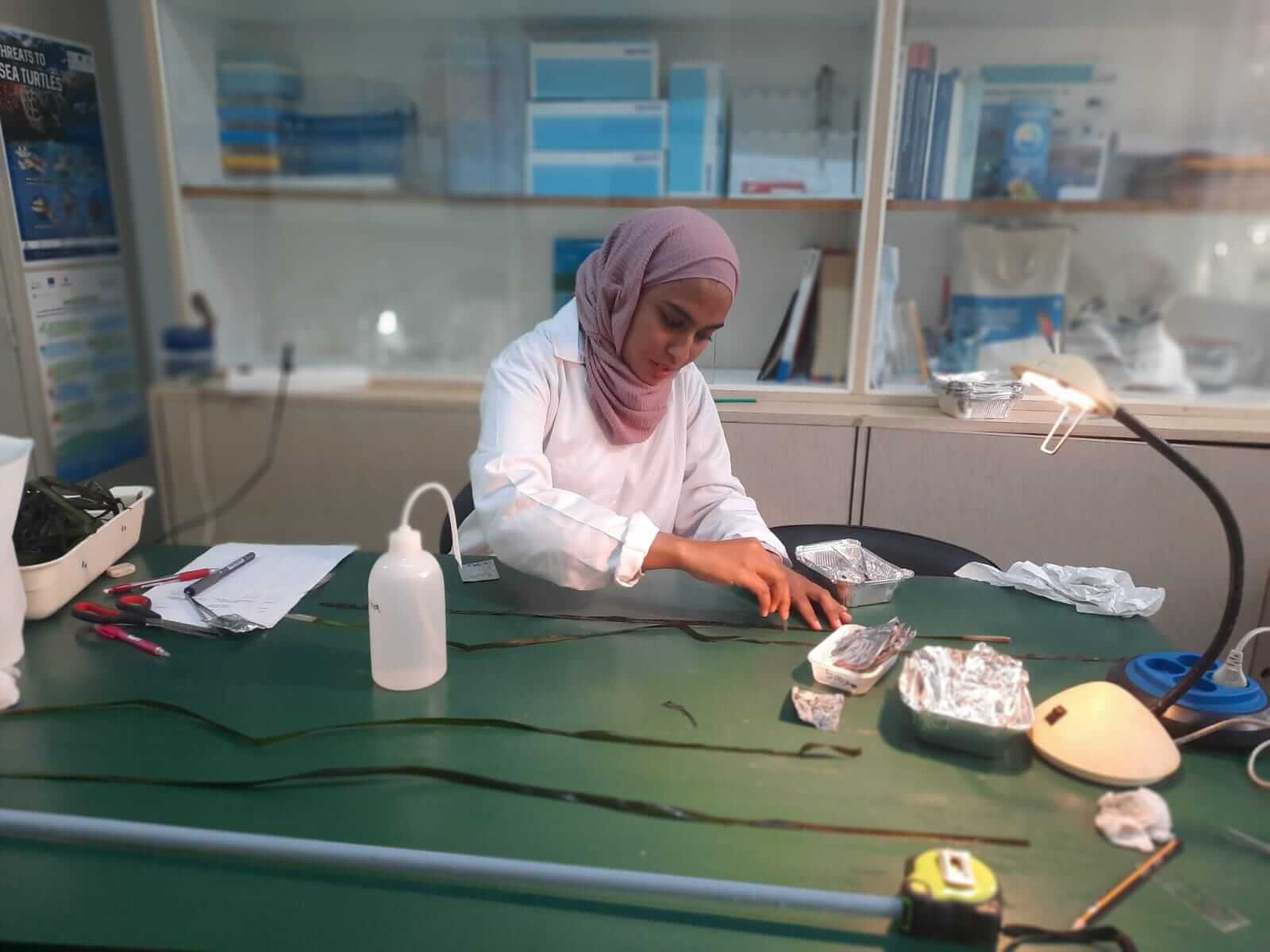
Additionally, all my research work is conducted in the Faculty of Sciences of Tunis, University El Manar, Tunisia, within the Research Laboratory: "Diversity, Management, and Conservation of Biological Systems" (LR18ES06).