Networking

Scroll Down

The Tunisian Association of Taxonomy (ATUTAX) emerged as a scientific entity founded by academics in 2009. While initially focused on serving researchers and academics, its scope has since broadened to encompass a diverse array of stakeholders. Through strategic partnerships with civil society organizations, ATUTAX has fostered collaboration across sectors. Over the past three years, it has assumed leadership in a network of prominent Civil Society Organizations (CSOs) dedicated to nature conservation on both national and regional scales.

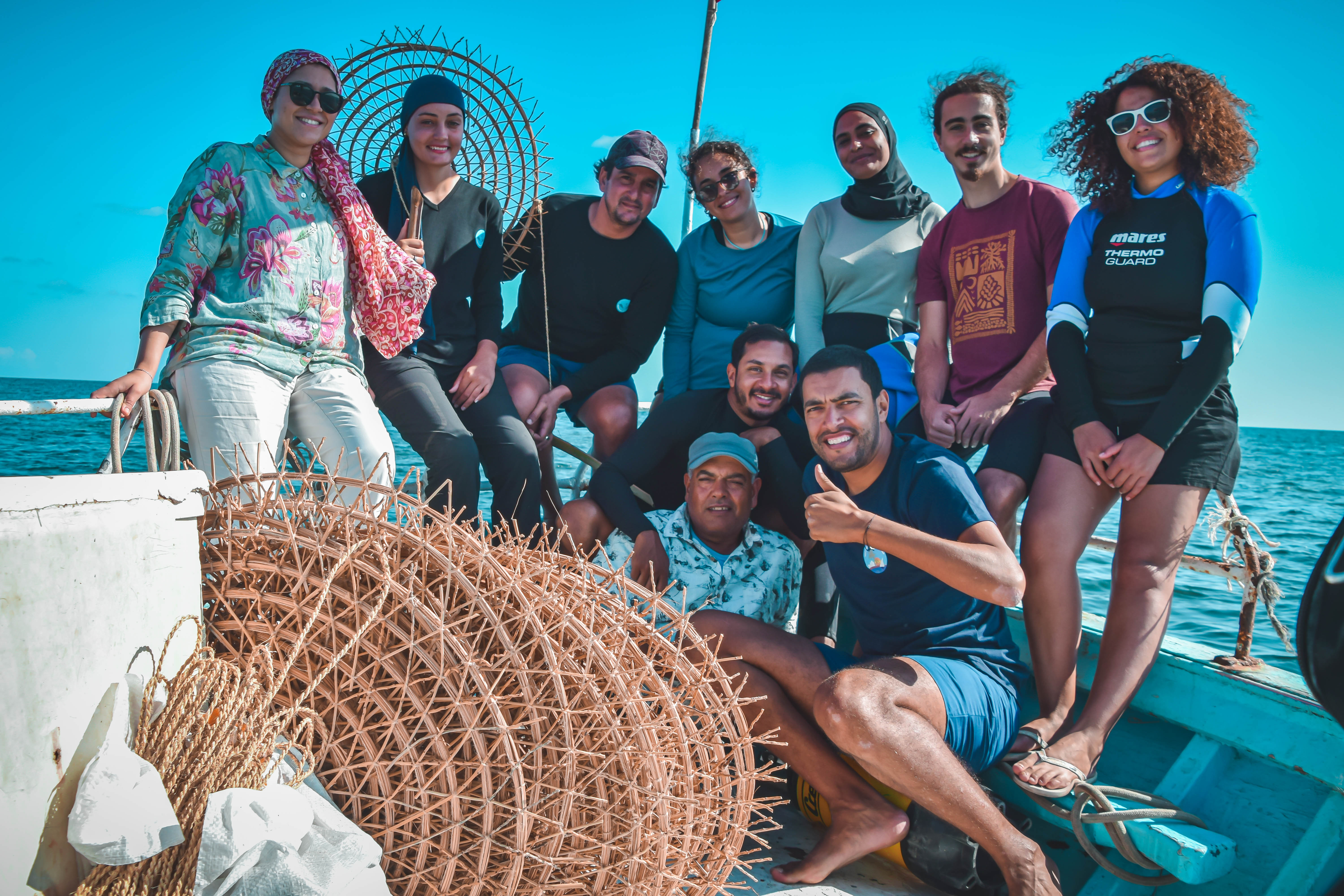
ATUTAX envisions a society where science and technology serve as tools for environmental preservation, with collective commitment and mobilization deemed essential to halting the degradation of natural resources. As an active member of ATUTAX, I have garnered significant experience in project management and communication roles. Since 2021, I have been actively involved in engaging with local communities, including fishermen, NGOs, private sector entities, artisans, and schools in the Kerkennah Archipelagos. Central to ATUTAX's projects in the Kerkennah Archipelago is the sustainable conservation of natural resources.

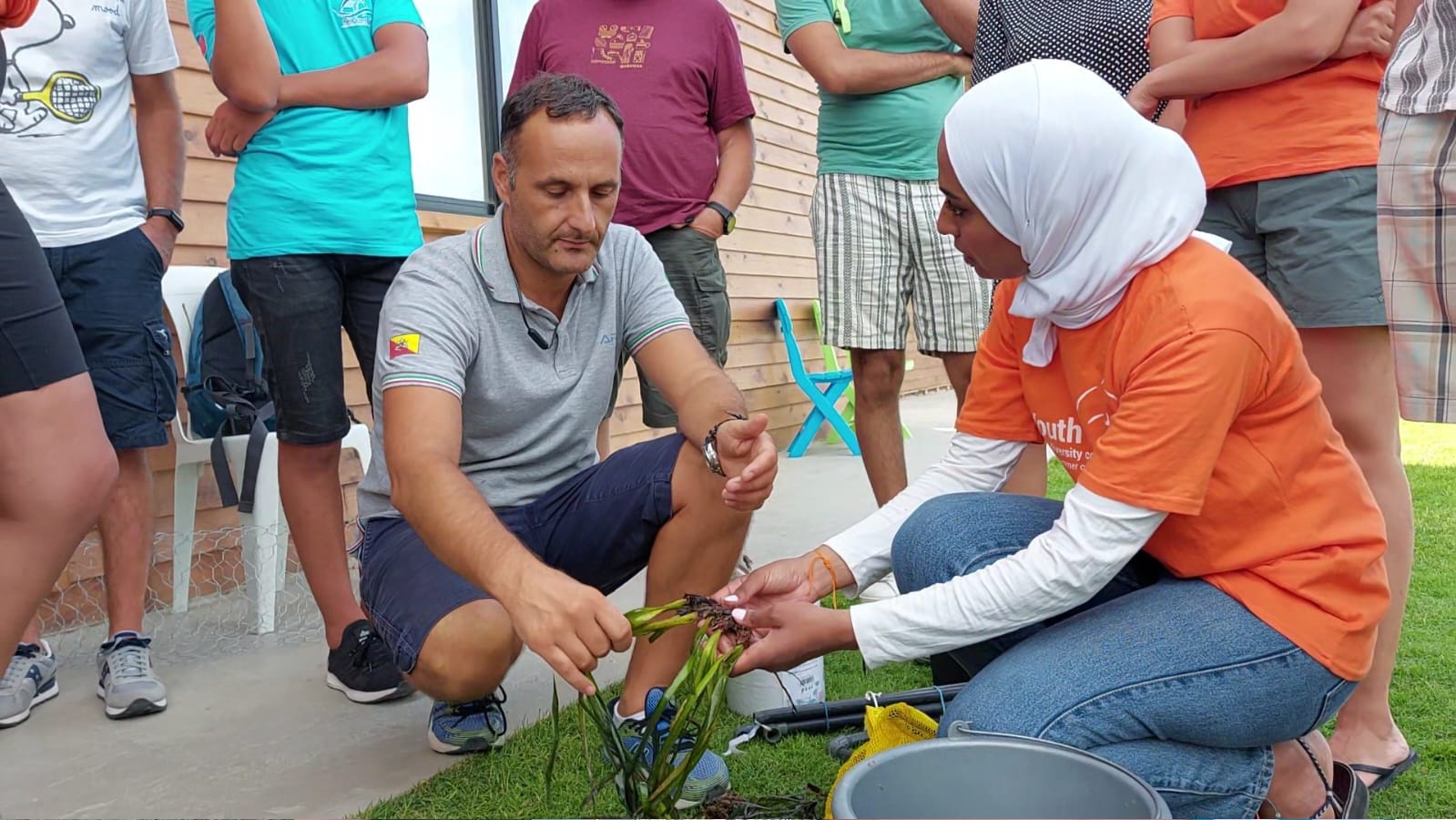
These initiatives prioritize raising awareness among stakeholders about the detrimental effects of unsustainable fishing practices, while advocating for the preservation of traditional artisanal techniques to ensure biodiversity and rational resource exploitation. Moreover, they emphasize knowledge transfer and the adoption of sustainable fishing methods, such as Drina and Charfia, through targeted training and support for local youth. For instance, the PPKER project- Ecological restoration for the conservation of heritage species in the Kerkennah archipelago, aims to preserve and restore Posidonia oceanica and Pinna nobilis using Nature-based Solutions. This endeavor employs participatory approaches involving civil society actors like fishermen, artisans, local associations, and the private sector.

In alignment with its mission, ATUTAX activities to disseminate scientific knowledge and engage the broader public in addressing pressing environmental challenges, including biodiversity loss, plastic pollution, and climate change. Through my contributions, I have fostered strong, trust-based relationships, facilitating collaboration and community involvement in various environmental initiatives.

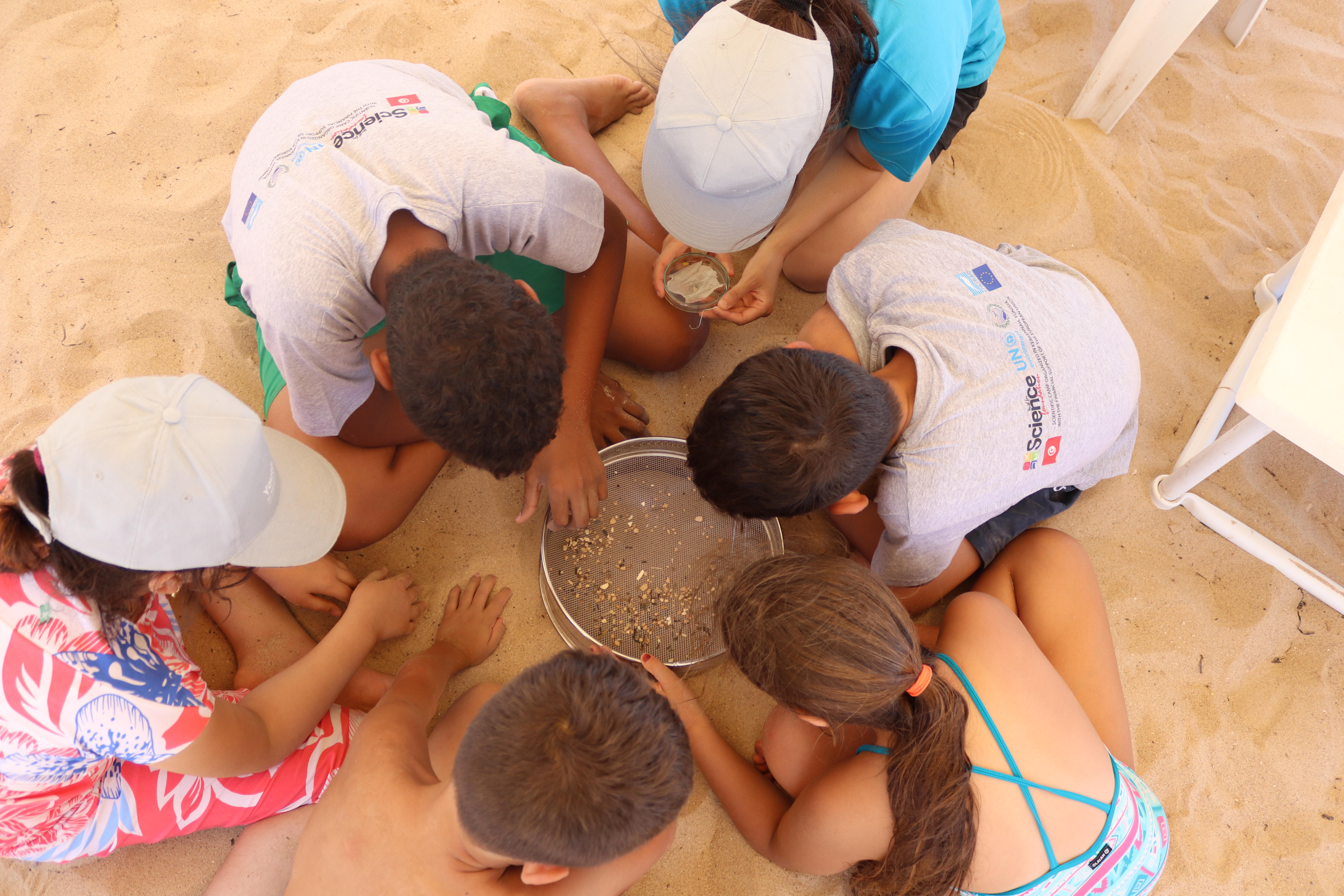
My commitment to environmental education and awareness extends to my involvement in organizing marine biodiversity camps for children during the summer, further solidifying my dedication to marine conservation and community engagement. Over the course of my career as a researcher in biodiversity and ecosystem studies, I have collaborated with local and regional organizations to raise awareness about the critical importance of biodiversity.